The Perth property market continues to outperform expectations in 2026, with strong price growth and sustained demand placing it among Australia’s top-performing capital cities.
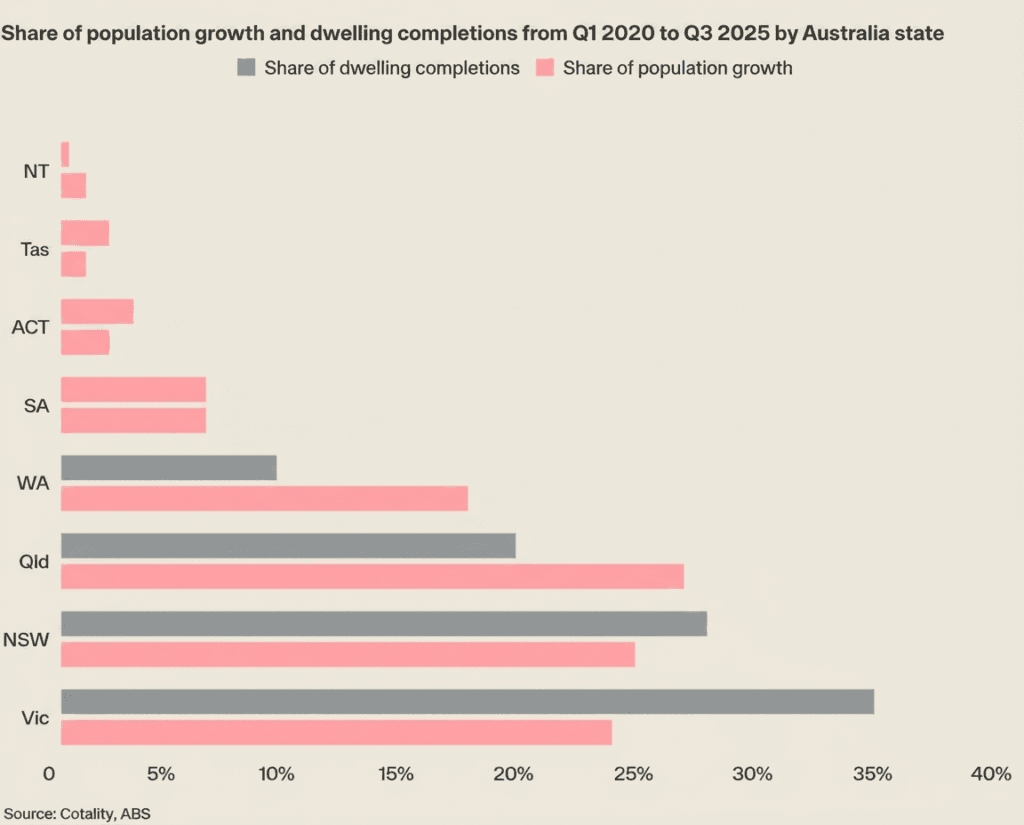
Despite broader national uncertainty, Perth remains resilient — underpinned by population growth, limited housing supply, and continued buyer competition.
Recent forecasts suggest property values in Perth could rise by around 10–12% through 2026, reinforcing the city’s position as a standout market.
What’s Driving Growth?
Several key factors continue to push the market forward:
- Ongoing Supply Shortage
Available listings remain tight, keeping pressure on prices and increasing competition among buyers. - Population Growth
Western Australia is seeing a surge in interstate migration and overseas arrivals, adding further demand to an already undersupplied market. - Construction Constraints
Labour shortages and rising building costs are slowing new housing delivery, prolonging the imbalance between supply and demand.
This combination has created a highly competitive environment where homes are selling rapidly and often above expectations.
What This Means for Buyers and Sellers
For sellers, conditions remain highly favourable, with well-presented properties attracting strong interest and competitive offers.
For buyers, acting decisively is key. With limited stock and increasing demand, opportunities can move quickly — particularly in high-demand suburbs.
Outlook for 2027
While 2026 is shaping up as another strong year, analysts expect growth to moderate moving into 2027 as affordability pressures and borrowing constraints begin to take effect.
Economists are warning that affordability pressures and rising interest rates could begin to weigh on the market heading into 2027. Forecasts suggest growth could slow dramatically to around 1.5% next year.
However, Perth’s fundamentals remain strong, suggesting the market will stay stable even as growth slows.
Sources
Please note the data provided in this article has been sourced from the below articles and all statistical information is based on the First Qtr of the year,